

Best Foot Forward: How to Prepare and Care for Ultra Marathon Runners Feet
Good foot care is vital for ultra runners. From choosing the best running shoes to toenail clipping, we explain how to care for ultra marathon runners feet.
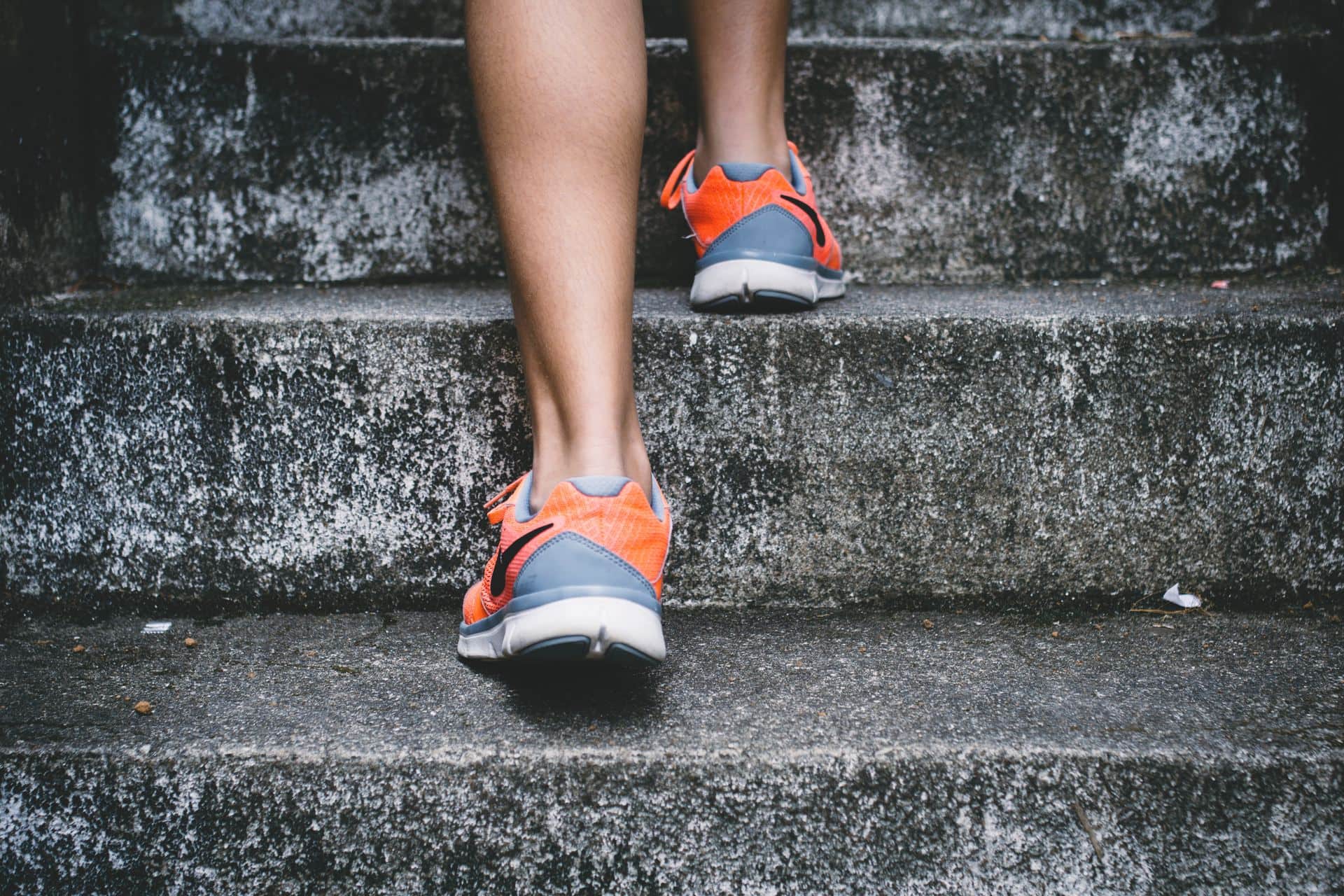
Best Foot Forward: How to Prepare and Care for Ultra Marathon Runners Feet
Introduction
Whether you are a newcomer or an experienced ultra-marathon runner, the health of your feet is one of the most important aspects of your challenge and will often make or break your experience. Making sure that the equipment you have is appropriate, you are prepared properly and that you know how to effectively treat any foot trauma is vital for getting across that finish line. This blog is going to discuss the best preparation strategies and the steps to becoming proactive rather than reactive.
How to choose your ultra running shoes
The first obvious piece of equipment you will need is the right pair of running trainers. This is a lot easier said than done due to the abundance of running trainers on the market. Firstly, you need to establish what terrain your ultramarathon will be taking place on. Road running shoes tend to have more cushioning and a smoother and more responsive sole. Trail shoes tend to be more supportive and weather resistant with a grippy sole. If your ultramarathon is a combination of both trail and road you should try find one with both comfort, stability and grip enabling you to thrive in all kinds of terrains. When deciding which running shoe to choose for an ultra marathon you should also evaluate your running style and ankle stability. This can be worked out by looking at the condition of your old running trainers, in particular where the sole has been worn down the most. If the sole has a lot of wear on the inside of the sole, then your ankles will tend to be pronated. Your ankles will be supinated if your trainers have the most wear on the outer sole. Finding a trainer which supports your gait type is vital as this will reduce the chance of injury. I personally have pronated ankles and have found that the Saucony Triumph 20 provide great support and prevent my ankles from rolling in as much making my long runs much more comfortable. Ultra X has a blog on some of the best ultra running shoes here.
Breaking in trainers
Breaking in your trainers is an extremely important part of training as shoes will give and adjust slightly after being used a few times. It’s better to allow your new trainers to change shape before the race than during it. During this breaking in period it’s important to try different ways of tying your laces. Change the way you tie them if you notice any hotspots or any movement in your heel as you run. Taping these areas or using other forms of blister protection will make your race day more comfortable.
How important are socks?
Using the right socks is equally as important as using the right pair of running trainers. Having the right ultra marathon socks will help reduce the chance of rubbing and therefore blisters caused by friction and moisture. The right pair of socks should have moisture wicking properties which will help repel water. They should be able to regulate foot temperature which will prevent excessive sweating and inflammation. They should also offer compression and support to help with blood flow during the ultra.
Training and preparation
Having the right equipment is one thing but making sure your feet are well conditioned to deal with the stress which comes with ultramarathon running is vital. Following a training plan is an easy way of making sure your body is used to the mileage of an ultra without increasing the volume too quickly which could cause injury. Runna is an example of an extremely reliable and proven running app which gives you a step-by-step plan of how to train for a variety of different distances. You can find out more about Runna and about training considerations for an ultra on our training zone here.
Final top tips
● Focus on prevention
● For optimal blister prevention, the feet should be soft, pliable and well moisturised
● Trim toenails straight rather than rounded.
● Change wet socks where possible.
● Socks with anti wicking properties will make a difference.
● As a rule of thumb, wear shoes half to one size larger than normal day to day shoes to allow for swelling during the race.
● The correct fitting trainer should feel snug at the heel and midfoot, with room to wiggle your toes.
Want to see more incredible ultra marathons from every continent? Recently, we listed the: