

Ultra X Slovenia: The Ultimate Family Adventure Guide
Slovenia: Slovenia: Euroopan vihreä leikkikenttä
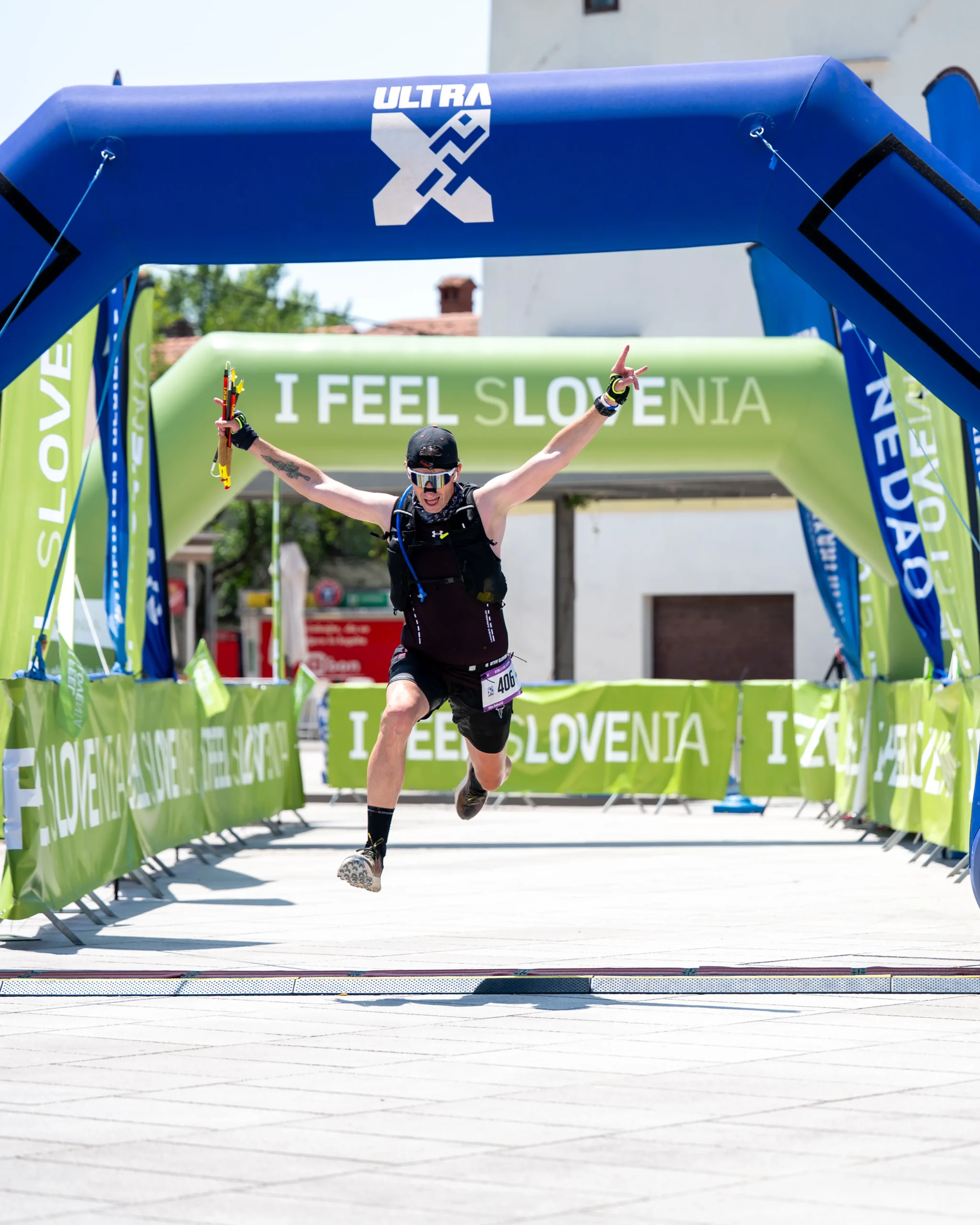
Beyond the Race: A Family Adventure Through Slovenia
Travelling to Ultra X I Feel Slovenia is more than a journey to the start line.
It is an opportunity to discover one of Europe’s most varied outdoor destinations together — a country where vineyards, alpine lakes, caves, castles and the Adriatic coast are all within a few hours of one another.
Ultra X I Feel Slovenia takes place in the Vipava Valley in western Slovenia, a landscape shaped by vineyards, orchards, limestone plateaus and historic villages. For runners, it is an unforgettable setting for an ultra marathon. For partners and children, it is the perfect base for a family holiday filled with nature, local food and accessible adventures.
The itineraries below are designed for families travelling to Slovenia for the event. Before the race, activities remain gentle enough for the runner while still giving the rest of the family plenty to experience. After the finish, the focus shifts to recovery, celebration and discovering more of the country together.
Whether you stay for three days or extend your visit into a full holiday, Ultra X can become the centrepiece of an unforgettable Slovenia travel experience.
Before the Race: A Relaxed Family Stay in the Vipava Valley
The days before an ultra marathon should feel calm rather than rushed.
Instead of trying to visit the whole country before race day, base your family in the Vipava Valley and explore slowly. The region offers easy cycling, short walks, cultural attractions, local farms and wine experiences that allow the runner to conserve energy while partners and children remain entertained.
Day 1: Arrive, Settle In and Explore Vipava
After arriving in Slovenia, check into your accommodation and allow time to settle.
Vipava and Ajdovščina are both convenient bases for Ultra X I Feel Slovenia. Each offers restaurants, shops and easy access to the surrounding countryside, while remaining close to the event area.
Begin with a gentle walk through Vipava. The town is known for its many natural springs, which emerge beneath the slopes of the Nanos Plateau and flow through the historic centre. Children can follow the small rivers and bridges, while adults can enjoy the stone architecture, quiet streets and relaxed atmosphere.
The walk is short and flat, making it suitable for the whole family and ideal after a day of travelling.
Alternatively, explore Ajdovščina, where the remains of the Roman fortress of Castra stand beside the modern town centre. A short walk along the Hubelj River offers an easy introduction to the landscape without tiring the runner.
Finish the afternoon with coffee, homemade juice or ice cream in one of the town squares.
For dinner, choose a local inn or tourist farm. Slovenian menus often include homemade pasta, gnocchi, seasonal soups, grilled vegetables, trout, polenta and simple meat dishes. Families will usually find familiar options for children alongside more traditional regional cuisine.
Top Tip: Choose accommodation with breakfast, parking and enough space for race equipment. A family apartment or tourist farm can be more practical than a traditional hotel during race week.
Day 2: Easy Cycling Through Vineyards
A gentle cycling day is one of the best ways to experience the Vipava Valley before the race.
Rent e-bikes and follow quiet roads between vineyards, orchards and traditional villages. Electric assistance keeps the day relaxed for the runner, while children who are confident cyclists can enjoy the freedom of the valley’s quieter routes.
Families with younger children can rent child seats, trailers or family bikes from local providers.
A possible route can connect Vipava with villages such as Slap, Goče or Lože. Another option is to explore the area around Ajdovščina, Lokavec and Vipavski Križ.
Vipavski Križ is one of the most atmospheric stops in the valley. The small fortified settlement sits on a hill surrounded by vineyards. Its narrow lanes, stone houses and old gateways make it feel like a village from another time.
Children can explore the streets while parents enjoy the views across the valley.
Plan a relaxed lunch at a local farm or restaurant rather than turning the ride into a full-day athletic challenge.
In the afternoon, visit a family-run winery. Many Vipava Valley wineries welcome visitors by prior arrangement and offer a personal introduction to the region’s wine culture.
The valley is known for local grape varieties such as Zelen and Pinela. While the runner may prefer to keep tasting limited before the race, partners can enjoy a fuller experience. Children are often offered homemade juice, snacks or time to explore the farm surroundings.
A winery visit is not only about tasting. It is a chance to meet local families, learn how the landscape shapes the wine and experience the slower rhythm of rural Slovenia.
Top Tip: Reserve winery visits in advance. Many smaller wineries are family-run and do not operate as walk-in tasting rooms.
Day 3: Viewpoints Without the Big Climb
The plateaus above the Vipava Valley offer some of western Slovenia’s most impressive panoramas.
Before the race, however, choose viewpoints that are accessible by car or require only a short walk.
One of the best family-friendly options is Cerje, home to the Monument of Peace. From the surrounding plateau, families can see across the Karst landscape towards the Adriatic Sea, the Julian Alps and the Vipava Valley.
The monument also contains exhibitions connected to Slovenian and European history, giving the visit an educational element for older children.
Another option is the Trnovo Forest Plateau above Ajdovščina. Drive towards Predmeja and stop at one of the accessible viewpoints along the plateau edge. Even a short walk can reveal wide views over the valley and towards the sea.
The Otlica Window is one of the area’s most distinctive natural landmarks. The full climb from Ajdovščina is too demanding immediately before an ultra, but families can approach from the plateau side and enjoy a shorter walk.
Partners travelling with older children may choose to visit the natural window while the runner remains at the accommodation preparing for the event.
The Nanos Plateau is another iconic viewpoint above the valley. Its summit hikes should be saved for a future visit or for family members who are not racing, but scenic drives and shorter walks around the lower plateau can still provide a sense of the landscape.
In the afternoon, return to your accommodation for rest, swimming or a quiet meal.
Day 4: Local Food, Culture and Race Preparation
Keep the final day before the race deliberately simple.
Visit a local market, stop at a farm shop or take a short walk through one of the valley’s villages. This is also the best time to collect race information, prepare equipment and organise transport.
Families can use the afternoon to visit a local attraction while the runner rests.
Possible options include:
- a short visit to Vipavski Križ;
- the Roman remains in Ajdovščina;
- a local honey, cheese or fruit producer;
- a gentle riverside walk;
- or a relaxed lunch at a tourist farm.
Traditional dishes in the region may include jota, a hearty soup made with beans, sauerkraut or turnip; frtalja, an omelette prepared with herbs; polenta; local cheeses; cured meats; seasonal vegetables and fruit from nearby orchards.
For a more refined culinary experience, the Vipava Valley also offers restaurants recognised by the Michelin Guide. Families with older children may enjoy a special meal before or after the event, although elaborate tasting menus are usually better saved for after the race.
End the day early. Prepare the runner’s kit, plan breakfast and allow the whole family to rest.
Tomorrow, the valley becomes the course.
After the Race: A Family Recovery and Celebration Itinerary
Once the finish line has been crossed, the holiday can begin at a different pace.
The runner will need sleep, gentle movement and good food. Partners and children will still want to explore. The ideal post-race itinerary combines both.
Slovenia makes this easy. The coast, caves, alpine lakes and wellness centres can all be reached without committing to long or strenuous days.
Day 1: Recover by the Slovenian Coast
From the Vipava Valley, drive towards the Slovenian coast.
Piran, Portorož, Strunjan and Izola offer a complete change of scenery within a relatively short journey. The Mediterranean atmosphere, seaside promenades and wellness hotels make the coast an excellent first stop after the race.
Choose accommodation with a pool or spa.
Portorož is the easiest option for families looking for wellness facilities, organised beaches and restaurants. Strunjan is quieter and surrounded by nature, while Izola has a relaxed fishing-town atmosphere.
Spend the first part of the day beside the pool or sea. Children can swim and play while the runner rests.
Later, take a gentle walk through Piran. The old town is largely pedestrianised, with narrow streets, small squares and views across the Adriatic. Tartini Square and the harbour can be explored without a demanding itinerary.
Families with more energy can climb towards the Church of St George or the town walls, but this is optional. After an ultra marathon, there is no need to turn sightseeing into another endurance challenge.
Celebrate with fresh fish, homemade pasta, Istrian olive oil and local vegetables. Adults can try Malvasia or Refošk, two wines strongly associated with the coastal region.
For children, the combination of boats, ice cream and swimming often makes the coast one of the most memorable parts of the trip.
Top Tip: Prioritise hydration, sleep and gentle movement during the first 24 hours after the race. Wellness treatments should feel relaxing rather than intense.
Day 2: Postojna Cave and Predjama Castle
A cave and castle day works exceptionally well after the race because it offers a major experience without requiring a long hike.
At Postojna Cave, part of the visit takes place aboard an underground train. The journey continues on foot through enormous chambers, limestone formations and illuminated passages.
The train is especially popular with children and makes the cave more accessible for tired legs.
Families can also visit the Vivarium, which introduces the animals that live in underground environments, including the famous olm. The interactive Expo Cave Karst exhibition provides more information about caves, geology and the history of tourism in Postojna.
Bring warm clothing, even during summer. Temperatures underground remain cool throughout the year.
Afterwards, continue to Predjama Castle, built into the entrance of a dramatic cave beneath a limestone cliff. The unusual location, medieval rooms and local legends make it one of Slovenia’s most exciting castles for children.
The combination of Postojna and Predjama creates a full day without being physically exhausting.
Day 3: Lipica and the Karst
Spend the next day exploring Lipica and the surrounding Karst region.
Lipica Stud Farm is the historic home of the Lipizzaner horse. Families can walk around the estate, see horses in the fields and learn about the tradition of breeding and classical riding.
Depending on the programme, visitors may be able to watch a training session, join a guided tour, take a carriage ride or participate in activities designed for children.
The wide green spaces and old trees also make Lipica a pleasant place for a slow recovery walk.
For lunch, try Karst specialities such as prosciutto, cheese, jota and homemade bread.
Families can then continue towards Škocjan Caves when the runner feels ready for more walking. The cave system is famous for its vast underground canyon and powerful river.
The experience is more physically demanding than Postojna because of the steps and uneven paths. Families with small children or a runner who is still very sore may prefer to visit Škocjan on another trip.
A gentler alternative is a short drive through the Karst villages, followed by a farm visit or a stop for local food.
Day 4: The Soča Valley
When the runner’s legs begin to recover, travel north towards the Soča Valley.
The Soča River is known for its intense turquoise colour and is surrounded by forested slopes, waterfalls and mountain villages. It is one of the defining landscapes of adventure travel in Slovenia.
For a family-friendly day, stop at Most na Soči, where the river widens into a calm reservoir. Continue towards Tolmin or Kobarid for lunch and a short walk.
Kobarid is a good base for families interested in nature and history. The Kobarid Museum tells the story of the First World War in the region, while nearby paths lead to bridges, rivers and waterfalls.
The complete Kobarid Historical Trail may be too long immediately after the race, but families can choose individual sections.
Older children may enjoy easy rafting when conditions are suitable. The runner, however, may prefer to watch from the riverbank or join a gentler activity.
Local food is an important part of the Soča Valley experience. Try Tolminc cheese, frika, trout and Kobarid-style štruklji.
For a special celebration, the wider region is home to several internationally recognised restaurants, including Michelin-starred establishments. Advance booking is essential.
Top Tip: Do not try to see the entire Soča Valley in one day. Choose two or three stops and leave enough time to enjoy the river.
Days 5 and 6: Lake Bled and Lake Bohinj
Finish the family journey in the Julian Alps.
Lake Bled is Slovenia’s most recognisable destination and an easy stop before flying home from Ljubljana.
Walk part of the lakeshore, take a traditional boat towards the island or visit Bled Castle. Families can choose how much walking they want to do, and cafés around the lake provide plenty of opportunities to stop.
Do not leave without trying Bled cream cake.
For a quieter Alpine experience, continue to Lake Bohinj in Triglav National Park.
Bohinj feels more natural and less urban than Bled. Families can swim, take a panoramic boat, rent bicycles or walk along a short section of the shoreline.
The complete route around the lake is not necessary. Choose one area, find a quiet place beside the water and allow the landscape to set the pace.
Families with young children can explore easy nature trails, while older children may enjoy cycling, kayaking or a cable-car journey when operating.
Mountain huts around the Julian Alps provide another classic Slovenian experience. Many serve soups, stews, dumplings, sausages and strudel. Choose huts that can be reached by cable car, road or a short family walk rather than committing to a major mountain ascent.
Family Adventures While the Runner Is Racing
Ultra X I Feel Slovenia is a multi-stage event, which means partners and children may have several hours available while the runner is on the course.
The Vipava Valley’s location makes it possible to create memorable day trips without travelling too far from the event.
Option 1: Postojna Cave and Predjama Castle
This is one of the easiest full-day excursions from the Vipava Valley.
Children can experience the cave train, discover underground animals and explore a castle built into a mountain. The attractions are well organised and suitable for a wide range of ages.
Allow enough time to return to the race area without stress, especially when supporting the runner at the finish.
Option 2: Lipica and the Coast
Visit the Lipizzaner horses in the morning, then continue to Piran, Izola or Portorož for lunch and time beside the sea.
This route combines animals, culture and swimming in a single day.
It is an excellent option when the weather is warm and the family wants a break from the race environment.
Option 3: Family Cycling and Farm Experiences
Stay closer to the event and explore the Vipava Valley by bicycle.
Choose a short, mostly flat route and stop at a farm, winery or village restaurant. Parents can enjoy local food and wine, while children experience orchards, vineyards and rural life.
Tourist farms are particularly good for families. Some offer animals, homemade products and large outdoor spaces where children can move freely.
Option 4: Adventure Parks and Outdoor Activities
Families with older children can look for climbing parks, zip lines, guided cycling or easy water activities in the wider region.
Activities should always be selected according to age, weather and previous experience.
During the race, the goal is not to fill every hour. Leave flexibility to support the runner, return to the event village and enjoy the atmosphere around the finish.
Why Slovenia Works So Well for Active Families
Slovenia offers an unusual combination of accessibility and variety.
Distances are short compared with many European destinations. A family can wake up among vineyards, explore a cave in the morning and reach the Adriatic coast by the afternoon.
The country also offers outdoor experiences for different energy levels.
One family member may want to hike or cycle, while another prefers a lake, spa or café. Children can enjoy castles, caves and animals without feeling that every day is designed around adult sightseeing.
The landscape is adventurous without always being extreme.
Well-marked paths, cycling routes, swimming areas, boat trips, family attractions and tourist farms make active holidays in Slovenia easy to adapt.
Food also becomes part of the journey.
In the Vipava Valley, families encounter vineyards, fruit growers and traditional inns. In the mountains, they discover hut food and Alpine cheeses. On the coast, the menu changes to fish, olive oil and Mediterranean flavours.
This connection between landscape, activity and gastronomy is central to the I Feel Slovenia experience.
Getting Around Slovenia
Renting a car is the easiest way for families to travel to Ultra X I Feel Slovenia and explore the country.
A car provides space for race equipment, children’s luggage and outdoor gear. It also allows families to reach wineries, farms, viewpoints and rural accommodation that may not be easily accessible by public transport.
Ljubljana Airport
Ljubljana Jože Pučnik Airport is the most straightforward arrival point for visitors who want to begin and end their journey in Slovenia.
The drive to the Vipava Valley usually takes around one hour and 15 minutes, depending on traffic and the exact accommodation location.
Ljubljana itself is worth visiting before or after the race. The compact city centre, castle, riverfront and markets are easy to explore with children.
Trieste Airport
Trieste Airport in Italy is one of the closest airports to the Vipava Valley.
Driving time is approximately 40 to 50 minutes.
When renting a car in Italy, confirm that the rental company allows cross-border travel into Slovenia. Also check whether the vehicle includes the Slovenian motorway e-vignette.
Venice Airport
Venice Marco Polo Airport offers a wide range of international connections.
The drive to the Vipava Valley generally takes around one hour and 30 minutes, but traffic around Venice and the motorway can increase the journey time.
Venice can work well for families combining the race with a wider holiday in northern Italy and Slovenia.
Zagreb Airport
Zagreb Airport is a more distant option, with a driving time of approximately two hours and 30 minutes.
It may be convenient for families continuing into Croatia after the event.
Public Transport
Public buses connect Ljubljana, Nova Gorica, Ajdovščina and Vipava, but services may be less frequent in rural areas and at weekends.
Public transport is possible for travellers staying in one location, but it offers less flexibility for families attending a multi-stage race.
Reaching wineries, viewpoints, tourist farms and remote accommodation can be difficult without a car.
Airport Shuttles
Shared and private airport shuttles operate between Slovenia and major regional airports, including Ljubljana, Trieste and Venice.
A shuttle may be a good choice for families who do not want to drive immediately after flying. However, additional local transport may still be required during the event.
Top Tip: Compare the complete journey, not only the flight price. A cheaper flight may require a longer transfer, cross-border rental fees or an additional night of accommodation.
Stay Beyond the Finish Line
Ultra X I Feel Slovenia may be the reason your family travels to Slovenia, but it does not have to be the only story you bring home.
The runner will remember the trails, the climbs and the moment the finish line finally appeared.
Children may remember the underground train in Postojna, the white horses of Lipica or their first swim in an alpine lake.
Partners may remember a quiet glass of wine among the vineyards, dinner beside the Adriatic or the morning light over the Soča.
Together, you will experience a country where adventure is never far away, but where there is always space to slow down.
Come for the ultra marathon.
Stay for the caves, castles, mountains, coast, vineyards and lakes.
Ultra X I Feel Slovenia is not only a race in one of Europe’s most beautiful landscapes.
It is the beginning of a family journey through Slovenia.